


The Central Atlantic Testing Hub is conceived as an interconnected network of maritime infrastructures, test zones, and technological capacities distributed among participating regions. Its objective is to provide a real and controlled environment for experimentation, validation, and certification of emerging ocean technologies, enabling practical and collaborative integration of scientific knowledge and industrial innovation. Each region contributes specific infrastructures forming the three main Hub nodes.
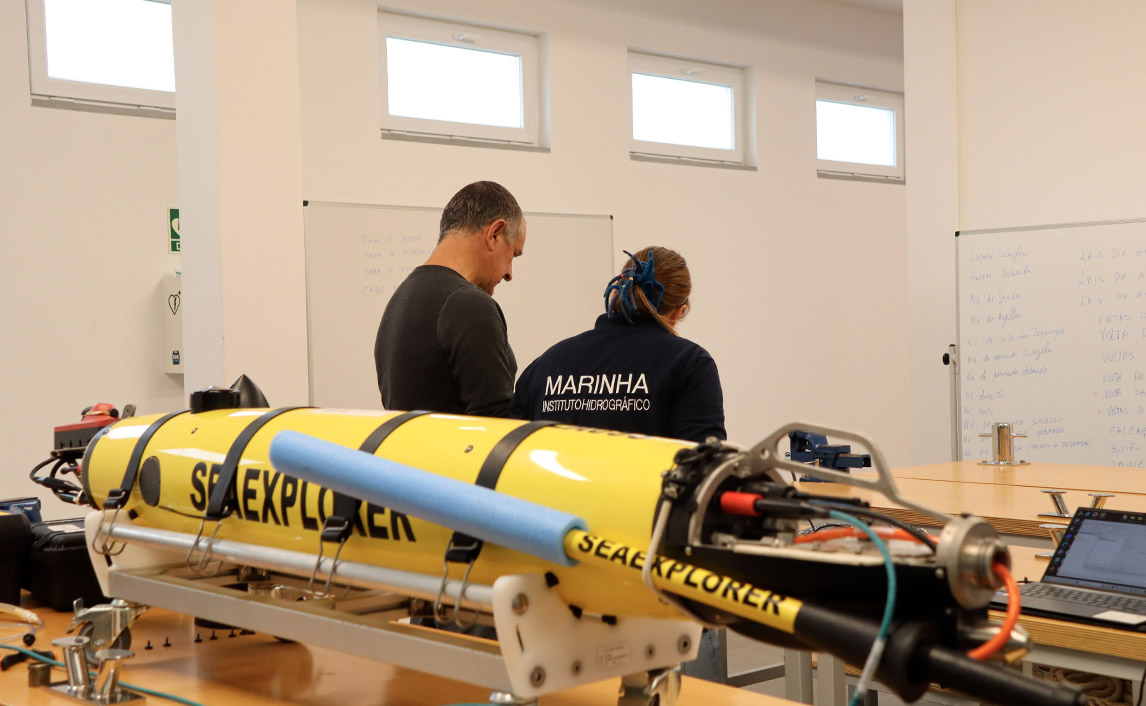
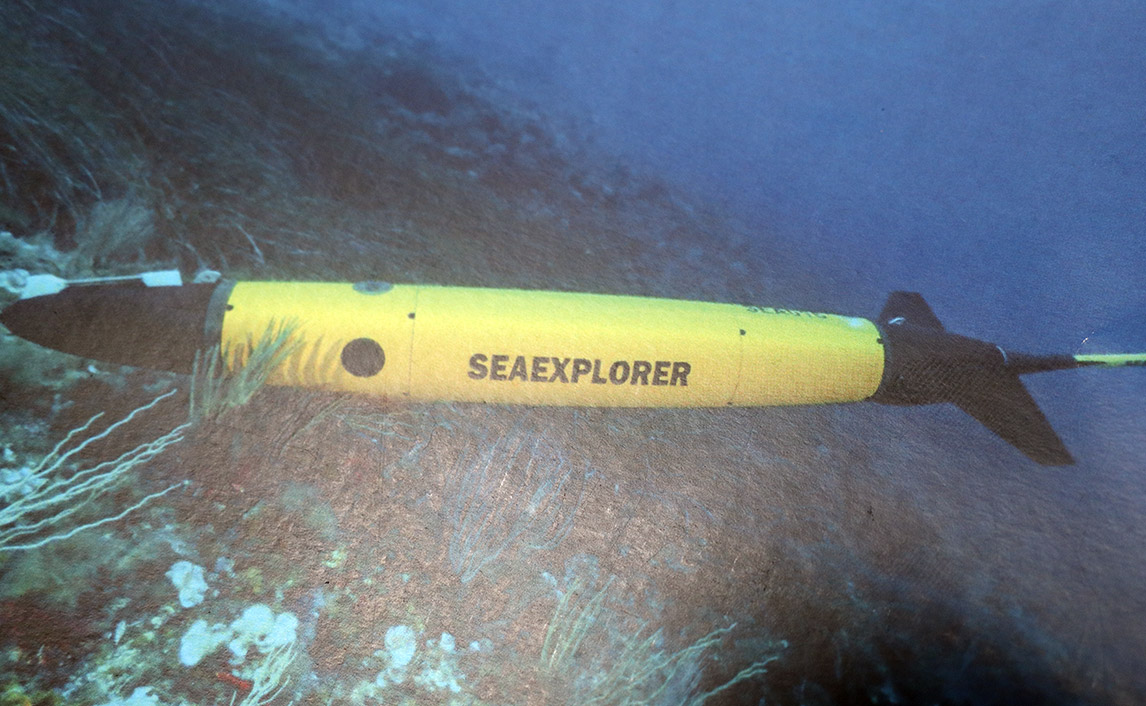
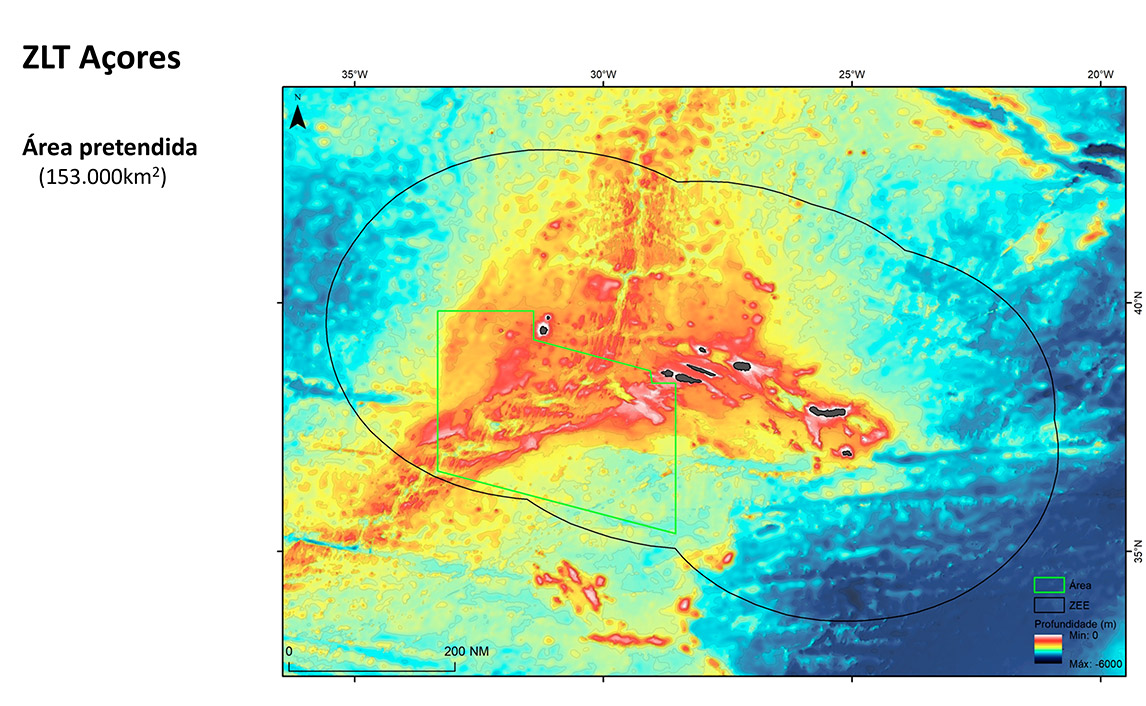
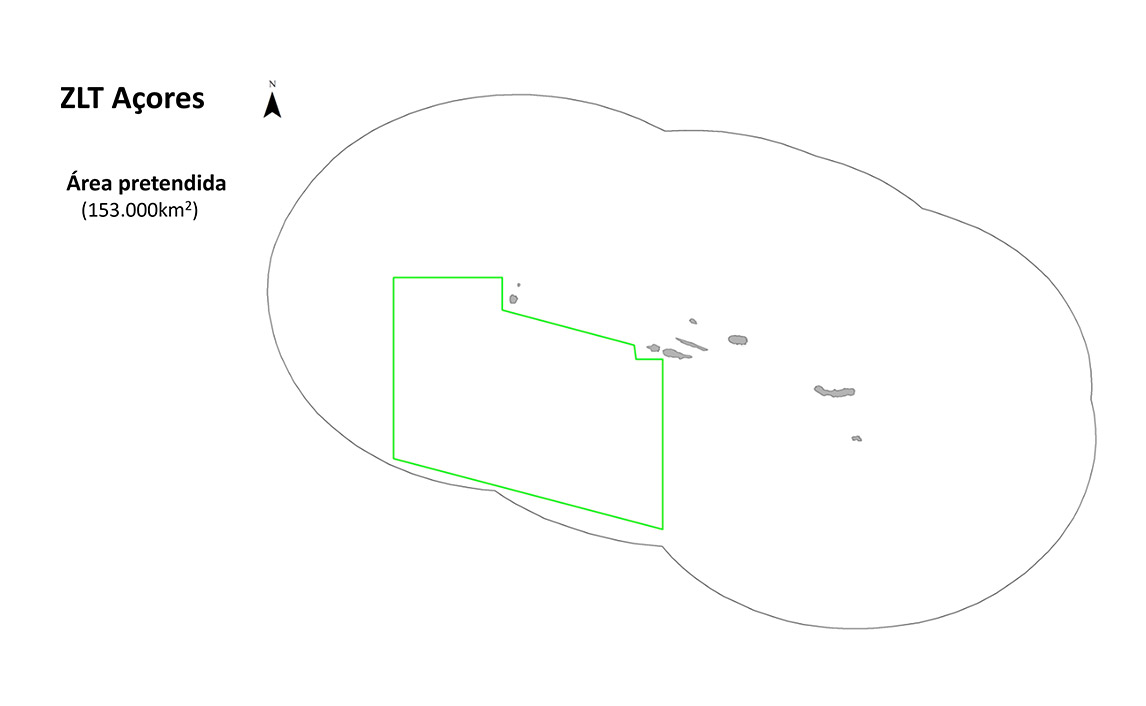
In the Azores, a pilot will focus on unmanned maritime navigation, featuring a surface autonomous vehicle prototype and a technology validation system for marine robotics, advanced sensors, and AI applied to the ocean environment. This node will serve as a reference for the future creation of free technological zones for maritime testing.
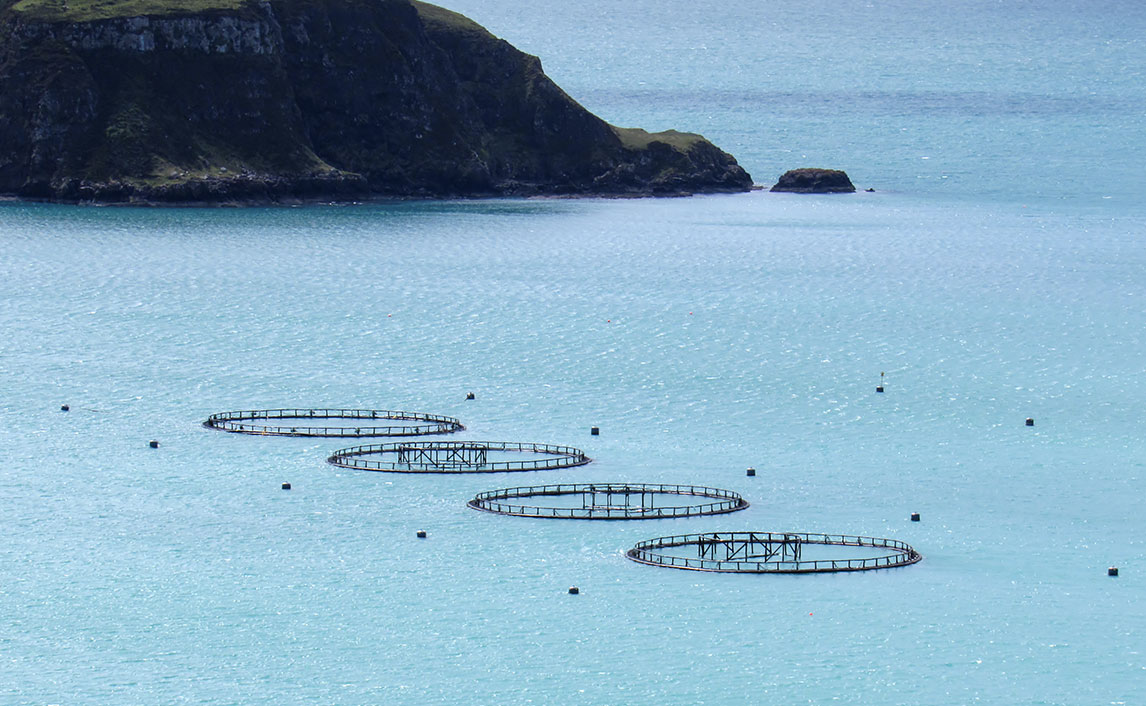
In Madeira, the testing area will focus on offshore aquaculture, installing real-time environmental monitoring buoys to control key water parameters — oxygen, nutrients, chlorophyll, and currents — and integrate these data into digital platforms accessible to researchers and companies. The goal is to improve aquaculture sustainability and promote more efficient, eco-friendly coastal management.
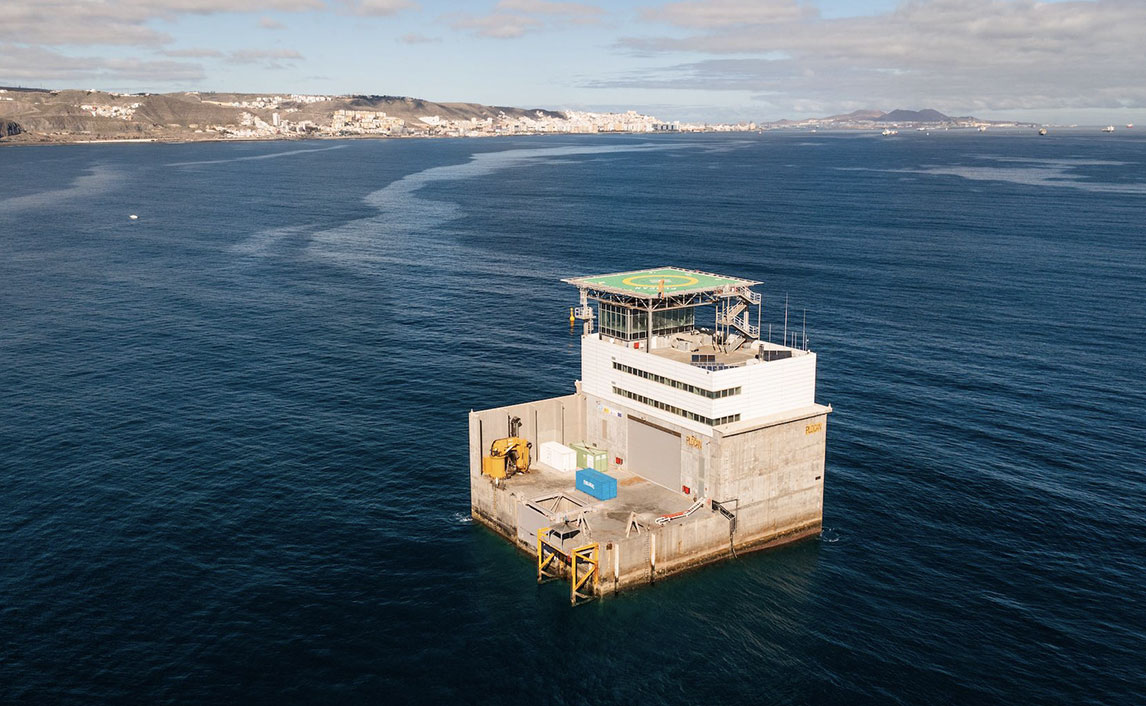
In the Canary Islands, the marine renewable energy testing facility will leverage PLOCAN’s experience and infrastructures to study multisector integration between offshore energy and aquaculture. Tests will be conducted on floating wind, wave energy, and synergies between energy production and marine farming systems, contributing to the development of clean and resilient technologies.

Los socios africanos —IMar (Cabo Verde), ISRA-CRODT (Senegal) y CEL (Ghana)— complementan la red aportando sus propias capacidades científicas, formativas y logísticas. African partners — IMar (Cape Verde), ISRA-CRODT (Senegal), and CEL (Ghana) — complement the network by providing scientific, training, and logistical capacities, expanding transnational cooperation, extending trials to tropical ocean scenarios, and consolidating the Central Atlantic as a living laboratory for international marine innovation.