


Indicators
The RedBEAM project establishes a set of quantitative and qualitative indicators to assess the achievement of its scientific, technological, and territorial cooperation objectives. These indicators reflect both the research and business dimensions of the Central Atlantic Testing Hub and its contribution to strengthening the blue innovation ecosystem in Macaronesia and West Africa.
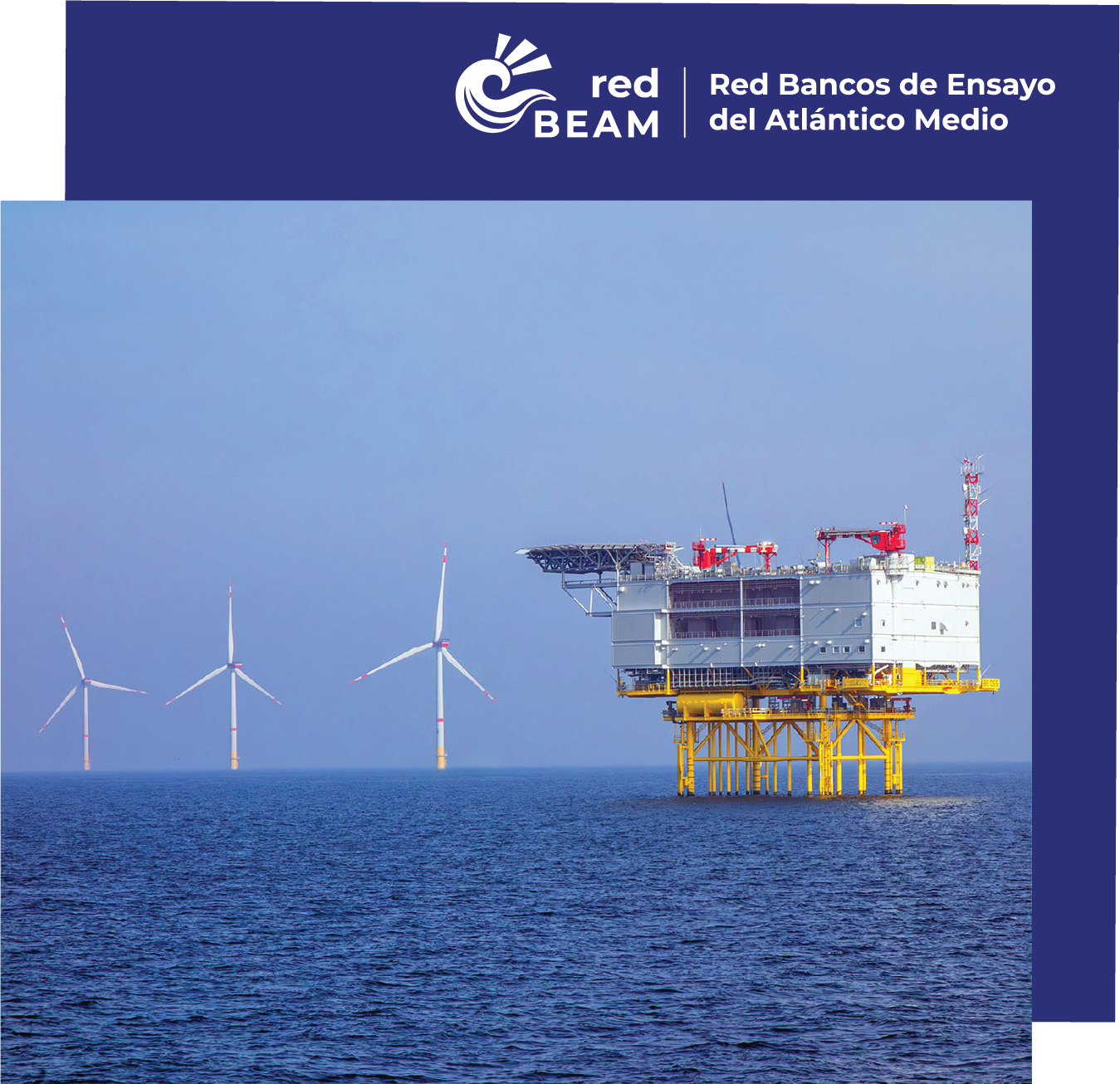
Output indicators measure the direct involvement of entities in project activities. A total of 53 research organizations — universities, technology centers, and ocean observatories — participate, demonstrating the initiative’s scientific and technical scope. Additionally, 287 companies will cooperate with research institutions, consolidating a transregional network that promotes knowledge transfer and the validation of ocean technologies in real-world conditions.
53
Research organizations
287
Cooperating companies
In terms of innovation, RedBEAM will have a tangible impact on the productive fabric. It is estimated that 143 SMEs will adopt innovative processes or products derived from project activities. Moreover, 380 scientific and sectoral publications will be produced, disseminating results and methodologies developed by the consortium. From a communication perspective, five international dissemination and training events will be organized, reaching 150 participants, of which at least half will be women and 40 will come from third countries.
143
SMEs
380
publications
150
participants
Specific products and outcomes include:
The business model of the distributed testing Hub, ensuring long-term sustainability.

A best-practices manual for conducting technological trials in marine environments.

Three international agreements for joint testing with third countries.

A testing facility in an African country for low-TRL (low maturity) technologies.

An international communication plan to consolidate the Hub’s identity and visibility.